TITANIC 2 — Love sank once… but some promises refuse to drown.
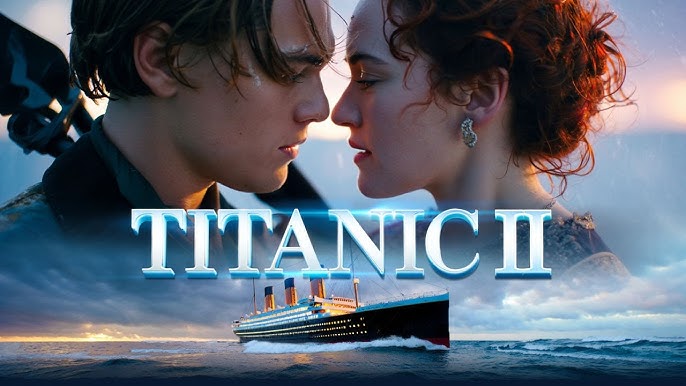
There’s a dangerous kind of ambition in revisiting a story that already feels complete. Titanic 2 (2026) doesn’t try to replicate the past—it confronts it. Not as a legend frozen in time, but as something that still echoes, still haunts, still demands to be remembered.
From the very first moments, the film leans into legacy. The ocean isn’t just a setting—it’s a memory. Vast, quiet, and unforgiving. Every wave feels like it carries something buried beneath it, something unfinished. And as a new journey begins, there’s an unspoken tension: history doesn’t repeat… but it remembers.
This time, the story isn’t about innocence. It’s about inheritance. The characters step into a world shaped by a tragedy they never experienced, yet can’t escape. The weight of the past lingers in every decision, every glance toward the horizon. It’s not just a voyage—it’s a confrontation with what came before.
What makes the film compelling is its refusal to rely solely on spectacle. Yes, there are grand visuals, sweeping shots of the ship cutting through the ocean, moments designed to mirror what once was. But beneath that, there’s something quieter—a question of whether we’ve truly learned anything at all.
The emotional core revolves around connection. Not just romantic, but generational. The idea that love, loss, and memory can transcend time. Relationships in this film feel shaped by absence as much as presence. People aren’t just falling for each other—they’re navigating the ghosts that linger between them.
Visually, the film balances beauty with unease. Sunlit decks and elegant interiors contrast with the endless, indifferent sea. There’s a sense that no matter how advanced, how prepared, how modern everything appears… it’s all still fragile.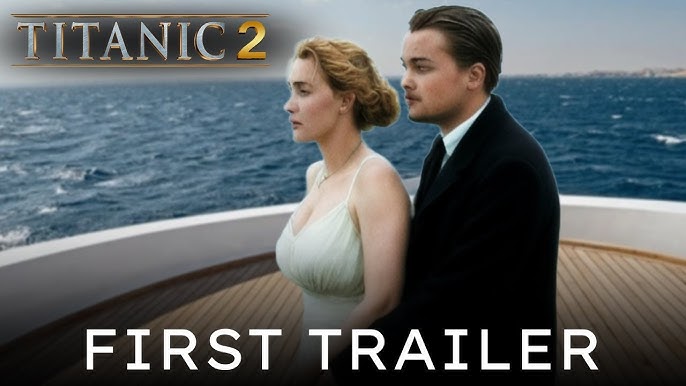
The dialogue carries a reflective tone. Conversations feel layered with meaning, often circling around themes of fate, second chances, and whether the past can ever truly be left behind. It’s not about recreating iconic lines—it’s about understanding why they mattered.
As the story unfolds, tension builds not through repetition, but through inevitability. The audience knows the history. The characters feel it. And that shared awareness creates a slow, creeping dread that never fully releases.
Midway through, the film shifts. What begins as homage turns into something more uncertain. The question is no longer “will it happen again?”—but “how will it happen differently?” And in that uncertainty, the film finds its edge.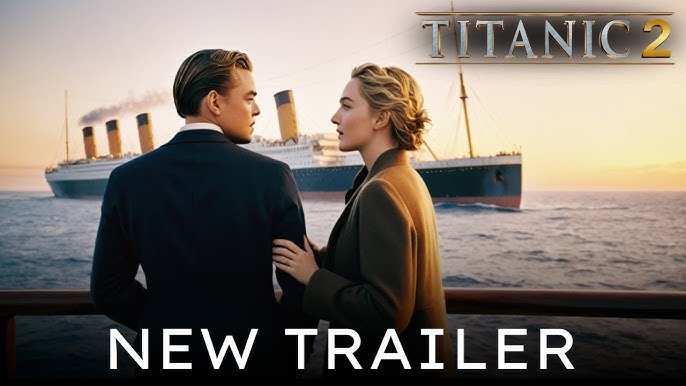
The pacing allows moments to breathe. Quiet scenes linger just long enough to let emotion settle in. A look across the deck. A hand held a second too long. Small details that remind you what’s truly at stake when everything else begins to fall apart.
What stays with you after the final scene isn’t just the scale—it’s the feeling. The idea that some stories don’t end when the credits roll. They continue, carried forward by those who remember… and those who refuse to forget.
Titanic 2 (2026) isn’t just a sequel. It’s a reflection—on love, on loss, and on the haunting truth that even after everything sinks, some promises are still trying to rise back to the surface.