THE EXORCIST — It doesn’t want your soul… it wants your silence.
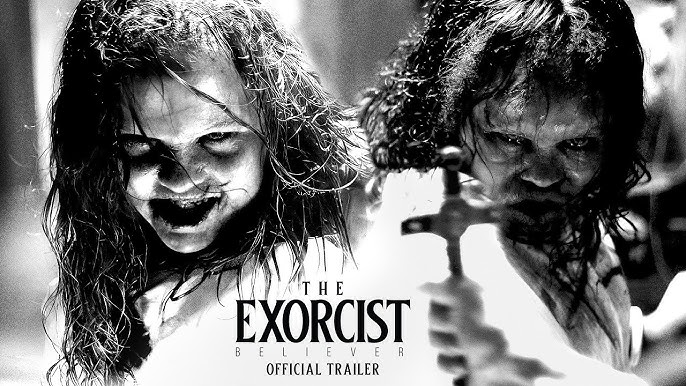
There’s a silence in The Exorcist (2026) that feels heavier than any scream. It doesn’t rush to terrify you—it lingers, watching, waiting for the moment you begin to question what’s real. And when it finally moves, it doesn’t announce itself. It seeps in.
From the opening sequence, the film establishes a world that feels grounded, almost too real. Ordinary spaces—bedrooms, hallways, quiet corners of a home—are framed with unsettling stillness. Nothing looks wrong… and that’s exactly what makes everything feel off.
The possession doesn’t begin with violence. It begins with absence. A shift in behavior, a missing emotion, a subtle disconnect that grows harder to ignore. The film leans into this slow transformation, allowing dread to build with precision rather than shock.
What makes this iteration so effective is its restraint. It understands that fear isn’t always loud. Sometimes it’s the way a character pauses too long before speaking. Sometimes it’s a glance that doesn’t quite align with the moment. The horror lives in the details.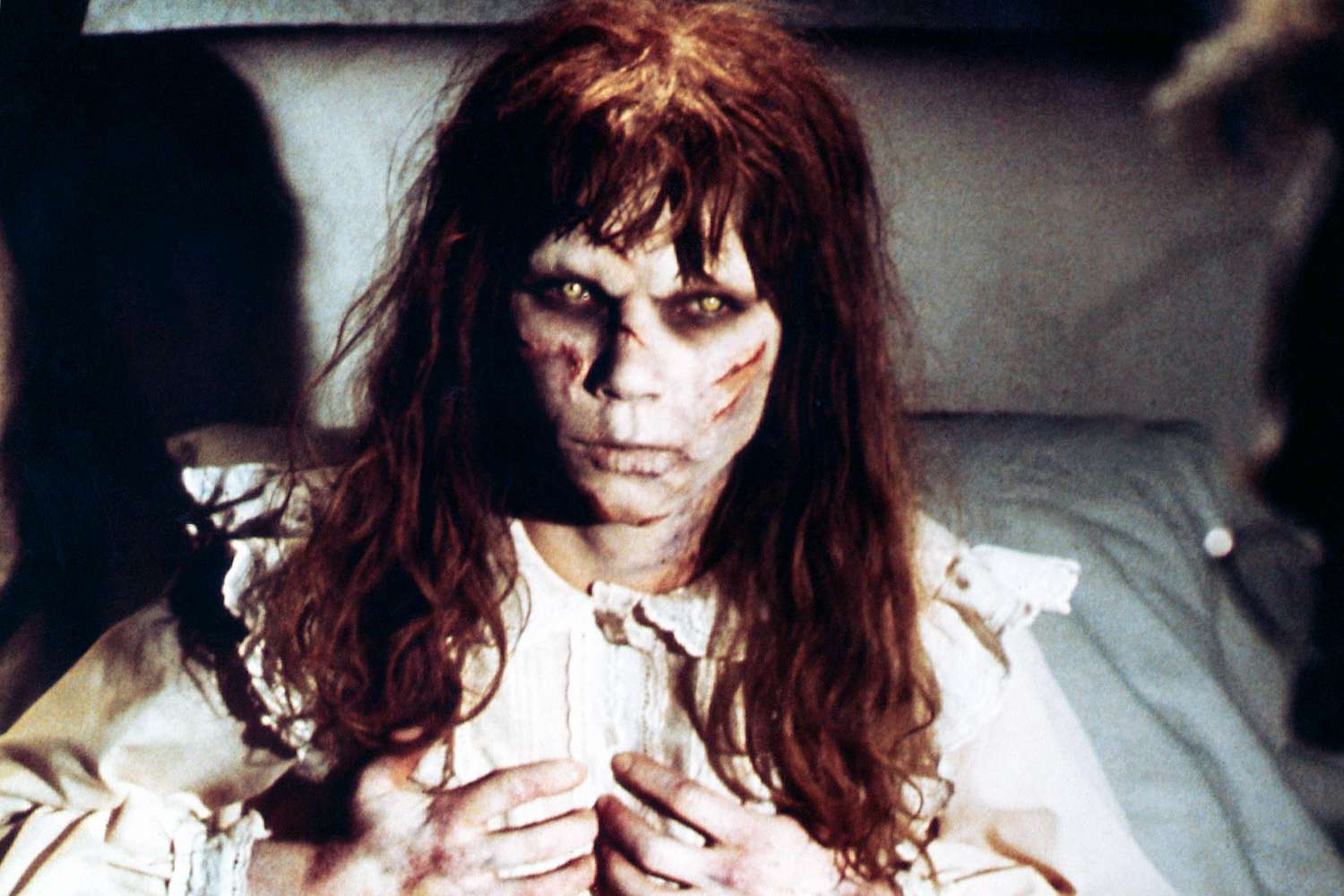
Visually, the film avoids excess. Shadows stretch naturally, light feels cold and distant, and the camera rarely rushes. It observes more than it reacts, creating a sense that something unseen is always present, just beyond the frame.
The performances carry the weight of the story. There’s a rawness in the way characters respond—not with immediate panic, but with confusion, denial, and eventually, quiet desperation. It feels human, and that makes it more unsettling.
Dialogue is sparse but deliberate. Conversations are fragmented, often circling around something no one wants to name. Words feel insufficient, as if language itself can’t fully capture what’s happening. And in that limitation, the film finds its tension.
There’s also a deeper exploration of belief—not just religious, but personal. What do you hold onto when logic begins to fail? When something unexplainable enters your world, do you fight it, deny it… or accept it? The film doesn’t push answers. It lets the questions linger.
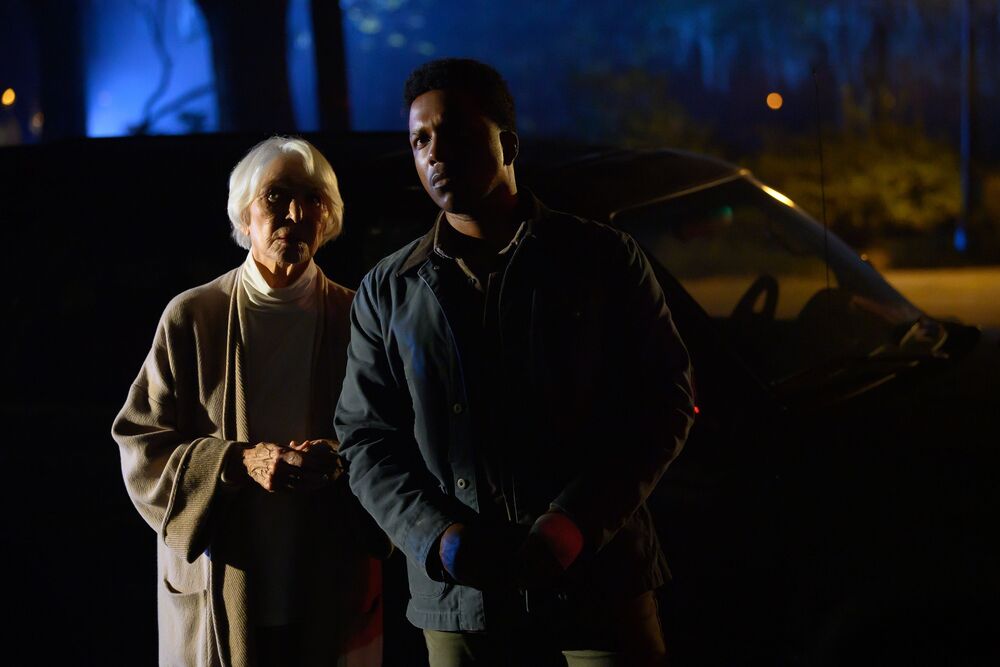
As the story progresses, the presence becomes more defined—but never fully revealed. The film resists the urge to explain too much, choosing instead to let the unknown remain intact. It’s not about what the entity is—it’s about what it does to those it touches.
Midway through, the tone shifts from uncertainty to inevitability. The characters begin to understand what they’re facing, but that understanding doesn’t bring comfort—it brings fear. Because knowing doesn’t mean you can stop it.
What stays with you after the film ends isn’t a specific scene or moment—it’s a feeling. A quiet unease, like something has been left unresolved. Like the silence itself is still holding onto something.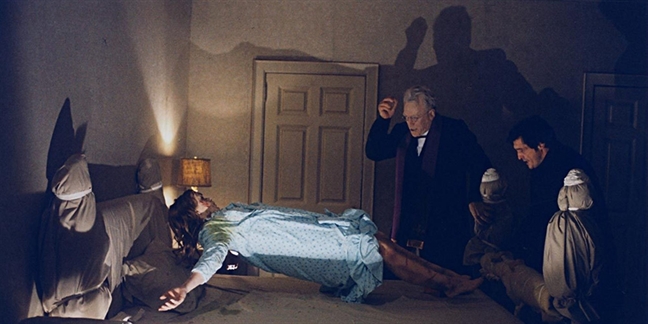
The Exorcist (2026) doesn’t rely on spectacle. It relies on atmosphere, restraint, and the terrifying idea that some forces don’t need to overpower you… they just need you to stop resisting.