SPECIAL OPS: LIONESS — Trust is the mission… betrayal is the weapon.

There’s a different kind of tension that runs through Special Ops: Lioness Season 3 (2026)—not the kind that explodes, but the kind that tightens slowly, quietly, until every decision feels like a risk. This isn’t a season about action alone. It’s about control slipping, alliances cracking, and the realization that the enemy might already be inside the room.
From the opening sequence, the tone is colder, sharper. The operations feel more calculated, but also more fragile. What once seemed like a well-oiled system now shows fractures beneath the surface. Missions don’t just fail—they unravel, exposing vulnerabilities that were never supposed to exist.
The strength of this season lies in its characters. These aren’t just operatives—they’re individuals carrying layers of pressure, loyalty, and doubt. Every choice feels personal, even when it’s framed as strategic. And the deeper they go, the harder it becomes to separate duty from survival.
What makes this chapter more intense is its focus on trust. Who do you believe when everyone is trained to lie? The line between ally and threat becomes dangerously thin. Conversations carry weight, silence becomes suspicious, and even the smallest hesitation can mean everything.
Visually, the series embraces realism with precision. Locations feel raw and unfiltered—deserts that stretch endlessly, cities that pulse with hidden tension, safe houses that never truly feel safe. The camera lingers just long enough to make you feel the unease before moving on.
The action sequences are grounded, deliberate, and unforgiving. There’s no excess, no spectacle for the sake of it. Every movement feels tactical, every confrontation calculated. And when things go wrong, they go wrong fast—with consequences that don’t fade away.
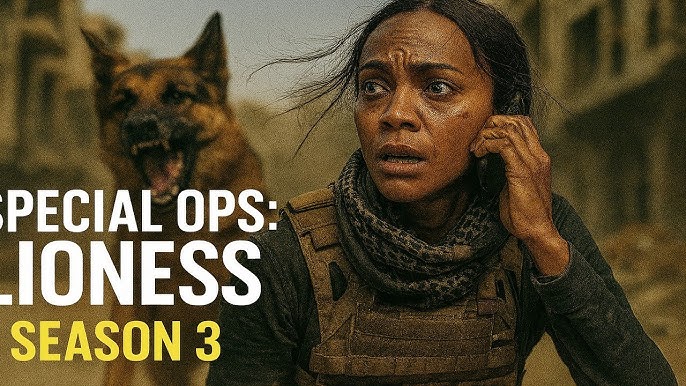
Dialogue becomes sharper this season. Exchanges are clipped, purposeful, often layered with subtext. What isn’t said becomes just as important as what is. It creates a rhythm where every word matters—and every omission feels intentional.
As the narrative unfolds, the scope expands. The threats are no longer isolated—they’re interconnected, forming a network that feels larger than any single mission. It’s not just about completing objectives anymore. It’s about understanding the system behind them.
There’s also a deeper exploration of identity. These operatives live in roles that constantly shift—cover identities, fabricated loyalties, blurred truths. And over time, those lines begin to blur internally as well. Who are you when you’ve spent so long pretending to be someone else?
Mid-season, the tension reaches a breaking point. Decisions made in the shadows begin to surface, and the consequences ripple outward. Trust collapses, alliances fracture, and the cost of every mission becomes painfully clear. There are no clean outcomes—only survival.
What lingers after each episode isn’t just the intensity—it’s the uncertainty. The feeling that no one is fully in control, that every plan is one step away from falling apart. And in that instability, the series finds its edge.
Special Ops: Lioness Season 3 (2026) isn’t just about covert operations. It’s about the fragile nature of trust in a world built on deception—and the dangerous truth that sometimes, the mission isn’t what breaks you… it’s the people you thought you could rely on.